Telling Paint Failures Apart on a Temecula Exterior
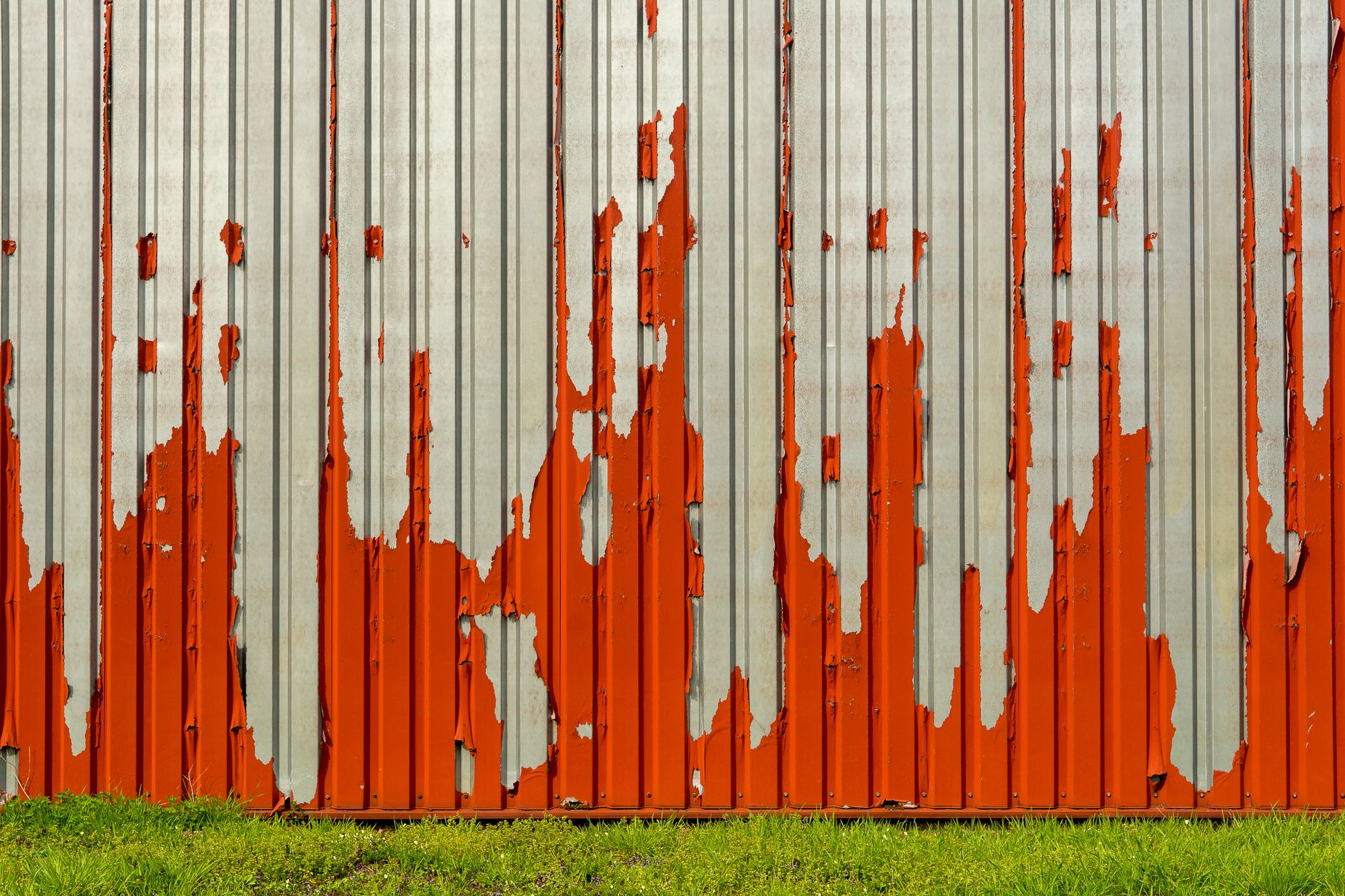
Paint on a Temecula exterior fails in a handful of recognizable ways, and each one points to a different cause. Telling them apart matters, because the wrong repair paints over the cause and brings the same failure back. The questions below are the ones that come up most when a homeowner stands in the yard looking at a wall and wondering what went wrong.
What is the difference between peeling and blistering?
Peeling is paint letting go of the surface in flakes or sheets, usually from the edges inward. It means the bond failed, most often because the wall was dirty, glossy or damp when the paint went on. Blistering is different: the paint lifts in round bubbles while still attached around them. A bubble that pops and shows wood or plaster underneath points to water or heat pushing from behind. A bubble that pops and shows old paint underneath points to a problem between two coats, often a coat laid on in strong sun that skinned over before it could cure.
On a house in the inland valley, both show up early on the west wall and on horizontal trim. Surface heat from the afternoon sun drives moisture and vapor outward through the wall, and a film that cannot let that vapor pass lifts into blisters. The fix starts with the cause. Scraping off the bubbles and repainting without drying the wall or correcting the moisture source gives the same bubbles in the next season.
What is chalking, and is it a problem?
Chalking is a fine powder that rubs off a painted wall onto a palm or a cloth. It happens when sunlight breaks down the resin that holds pigment in place. A little chalk on an older wall is normal and is simply a sign of weathering. A heavy layer that coats the fingers means the film is spent and the color is fading with it.
Chalk is a problem for the next coat, more than for the wall. New paint rolled over a powdery surface bonds to the powder, not to the wall, and the whole layer comes away later. Washing removes most of it, and a bonding primer locks down what is left. Dark colors and reds chalk and fade fastest in Temecula's strong sun, which is why sun-facing walls are usually repainted in a lighter or more earth-toned shade when the owner wants the finish to last.
Why do hairline cracks come back after painting?
Stucco expands in the heat of the day and contracts at night, and the swing between a cool morning and a hot afternoon in the valley is large. A standard exterior paint forms a thin, fairly hard film that cannot follow that movement, so it splits along the same line where the plaster moves. Caulk and patching close the crack, but a crack that keeps moving will pull a rigid coating apart again.
Two things help. Flexible caulk or elastomeric patching material moves with the wall, and a thicker elastomeric topcoat bridges the hairline instead of breaking over it. Neither one fixes a crack caused by real structural movement, such as a settling slab. A crack that widens over time, or has one face sitting forward of the other, needs a specialist before it needs a painter.
What causes dark streaks and green patches?
Dark streaks and green or black patches are mildew and algae. They grow where moisture lingers: shaded corners, the base of walls near sprinklers, north-facing surfaces and walls near the creek beds where morning dampness sits. Temecula is dry for much of the year, but a wall that stays wet for a few hours every morning grows mildew easily.
Painting over mildew does nothing, since the growth lives on and shows through. The wall is washed with a mildew cleaner, rinsed, and allowed to dry completely before primer goes on. Redirecting sprinklers, trimming back shrubs and clearing gutters removes the moisture that fed it. Without that step, the stain returns within a year or two.
Why does fascia peel before the walls do?
Fascia and eaves sit right under the roof, where surfaces get much hotter than the air and cool quickly after dark. Horizontal and near-horizontal wood takes the full force of the sun and collects water. Wood swells and shrinks with the change, and paint cracks at the joints and the edges first. Once the film opens, water gets into the grain and pushes the paint off from behind.
Repair means scraping loose paint, sanding the edges smooth, cutting out soft wood and replacing it, caulking open joints and priming bare grain. A satin or semi gloss enamel on top sheds dust and water better than flat. The painting order matters too: fascia and eaves first, walls next, lower trim last, so drips from the top land on surfaces that are still to be painted.
What does white crust on stucco or block mean?
A white crusty or powdery deposit on stucco, block or concrete is efflorescence. Water moving through the masonry dissolves salts and carries them to the surface, where the water evaporates and leaves the salt behind. It tells the painter that moisture is passing through the wall. Paint applied over it will lift or bubble, because the salt pushes the film off and the moisture keeps coming.
The deposit is brushed off dry, and the wall is cleaned and allowed to dry for a longer period than usual. The source of the water has to be found and stopped, whether it is a leaking pipe, a planter box, bad grading or a sprinkler head aimed at the wall. Only then does primer go on, and a masonry primer designed for alkaline surfaces is the right choice.
Is a failed coating always a bad paint?
Most of the time it is not. The usual causes sit in the work around the paint: a wall that was not washed, a surface that was damp, a coat applied in direct afternoon heat, a gloss finish that was never scuff sanded, or a crack that was painted over without being patched. Even a good acrylic latex fails when it goes onto a dirty or wet surface. Matching the product to the surface helps, but prep and timing decide most outcomes.
Weather in the Inland Empire adds its own demands. Santa Ana wind dries paint too quickly and throws dust into the wet film. Cool, damp mornings slow curing. A good schedule works with those conditions, painting each wall when its surface is out of the heat and off the dew, and calling a day off when the wind is blowing hard.
How can a homeowner tell which failure it is?
Four quick checks sort most cases. A palm rub shows chalk. A fingernail or putty knife lifts the edge of a peeling patch and shows what is underneath. A screwdriver tip probes trim for rot. A strip of tape pressed on and pulled off shows whether the old coat is bonded. Photographs of each failure, taken in the same light, help compare walls from one side of the house to the other.
The answer to each of those checks leads to a different repair: washing, patching, wood replacement, a bonding primer or a change in the coating. Naming the failure correctly is the first step in making the next paint job last.
Conclusion
Each paint failure leaves a clue, and reading it correctly decides whether the repair works. On a Temecula exterior, the heat, the dust and the daily temperature swing explain most of what shows up.