Picking the Right Weather Window for Exterior Painting in Temecula
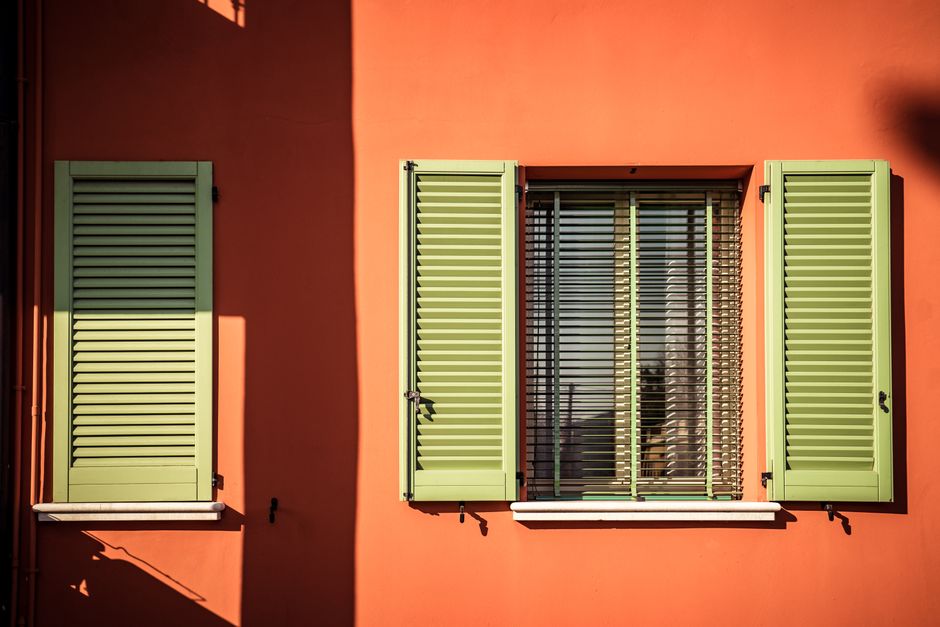
In an inland valley, the air temperature on the label is not the number that matters. For exterior painting in Temecula, CA, the running record exterior painting temecula ncw india holds shows that the surface temperature, the dew overnight and the wind decide whether a coat dries right, and a mild day on the forecast can still be a bad day to paint.
The morning to afternoon swing
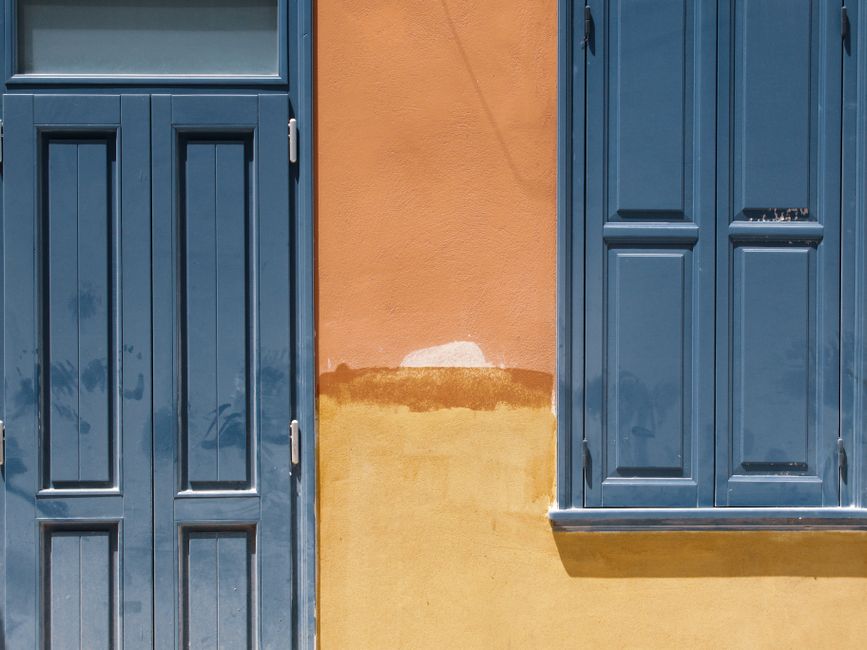
Temecula mornings can be cool and damp, and afternoons hot and dry, with a large swing in a single day. Most exterior latex and acrylic paints want the surface above the minimum on the label and below the point where the wall is too hot to hold a hand against. Paint applied to a cold, damp wall cures weakly. Paint applied to a scorching wall dries on the surface before it levels and leaves lap marks.
Surface temperature versus air temperature

A west wall in late afternoon can run far hotter than the air. An infrared thermometer settles the question quickly, and so does the back of a hand. Walls in full sun are painted early or late. Walls in shade take the middle of the day. Following the sun around the house, painting each elevation after it has cooled, gives an even finish and keeps the film from skinning.
Morning dew and moisture
Near Murrieta Creek and the Santa Margarita River, overnight moisture sits on walls well into the morning. Painting over a damp surface traps water and leads to blistering and poor adhesion. The wall should be dry to the touch, and stucco takes longer, so the first coat often waits until late morning. Primer and the first coat should also dry before evening dew returns, or the finish can spot and streak.
Santa Ana wind days
Hot, dry offshore wind flashes the water out of paint fast and throws dust and debris across the wet surface. A sprayer is a poor choice in a gusting wind, because overspray travels onto cars and neighbors. Brushing and rolling go slower but stay controlled. Most painters call it off on a hard wind day, and they wait for calm conditions before they open a can. Debris stuck in a topcoat does not come out, and it shows in the sheen.
Seasons that work in the valley
Spring and fall are the easiest windows, with moderate temperatures and lower wind. Summer works with early starts and shaded walls. Winter rain is limited but real, so a coat needs enough dry hours to cure before any storm. The vineyards of the Temecula Valley wine country look their best in the same shoulder seasons, and the weather that suits the grapes is a fair guide for paint too.